Sizing Up a Shared Yacht Cruise: Duration Choices for Small and Large Groups
When you book a shared yacht cruise, the length of the outing is one of the first decisions you face. A shorter trip may feel rushed, while a very long one can leave a group restless. The right duration depends on the size of your party, the kind of experience you want, and how much time you have at the marina. Understanding how shared cruises are structured and what each time slot offers will help you choose wisely.
How a Shared Yacht Cruise Works
A shared yacht cruise is a pre-booked public trip where you join other passengers on the same vessel. Unlike a private charter, where you pay for the whole boat, a shared cruise sells individual spots. The operator sets a fixed schedule with set departure times and durations, often ranging from two to four hours. Everyone on board follows the same route and itinerary, so the group experience is the same for all guests.
Because the boat runs on a fixed schedule, the duration is non-negotiable once you book. You cannot extend the trip on the day or shorten it for a discount. This makes it important to match the length to what your group realistically wants to do. A two-hour cruise might be enough for a quick sightseeing run, while a four-hour outing allows for stops, swimming, or sunset watching.
Duration and Group Size: What Changes
The number of people in your party affects how well a given duration works. For a small group of two to four people, a shorter cruise of two to three hours often feels just right. There is less need to coordinate large numbers, and everyone can find a comfortable spot on the boat without much fuss. A longer trip may work too, but small groups sometimes find themselves with little to do if the itinerary is simple.
For larger groups of six to twelve people, a three- or four-hour cruise usually makes more sense. More people mean more time to settle in, take photos, and enjoy the amenities. A shorter trip can feel cramped and hurried, especially if everyone wants to move around the deck or spend time at the bow. A longer duration gives the group a relaxed pace, with time for conversation and to enjoy the views without feeling the need to rush back to the dock.
If your group is very large, say more than twelve people, you may need to check the boat's capacity. Shared cruises often cap the number of passengers, so a bigger party might have to split across two time slots or book a private charter instead. The duration then becomes less about the length of the trip and more about coordinating everyone to be at the marina at the same time.
What Happens During the Cruise
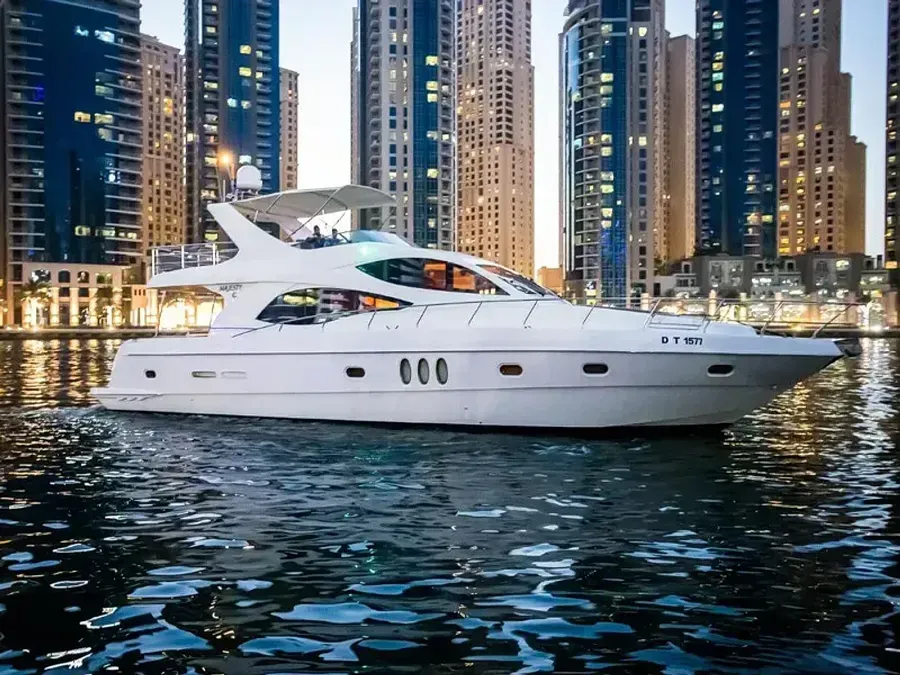
A shared yacht cruise follows a loose but dependable routine. After boarding, the crew gives a short safety briefing and explains the layout of the boat. The vessel then heads out of the marina and into open water. Most cruises include a mix of cruising time and a stop for swimming or photo opportunities, depending on the itinerary and weather conditions.
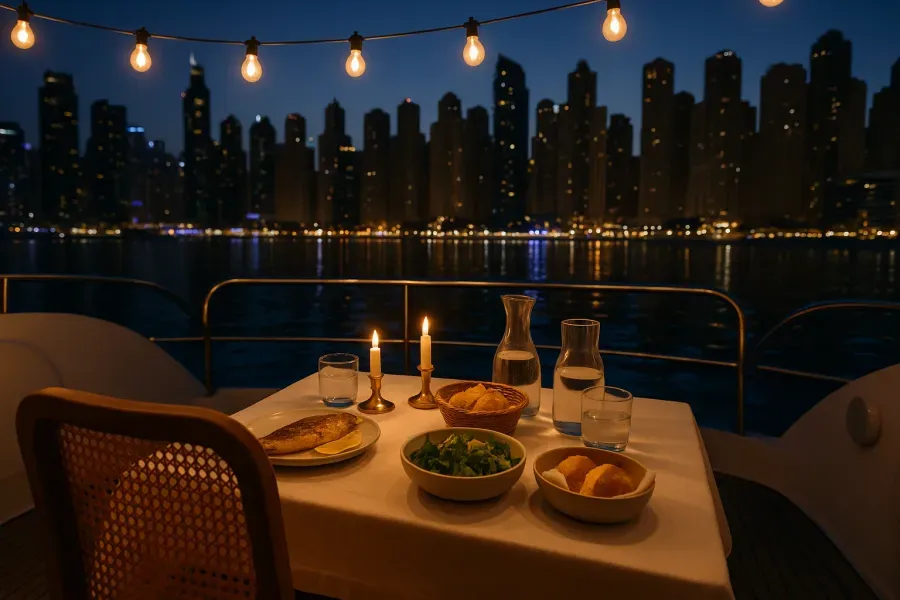
On a two-hour cruise, the time passes quickly. You might get a quick tour of the coastline, a short pause for photos, and then a return to the dock. This works well for a sunset trip or a lunchtime outing when you have other plans later in the day. For a three-hour cruise, there is usually more time to relax. The boat may stop at a swim spot, and you can enjoy a longer stretch of cruising without feeling rushed. A four-hour cruise often includes a full route with multiple stops, a longer swim break, and time to eat or drink if food is provided.
Sunset Yacht Dubai offers shared cruises that fall into these typical time slots. The shorter trips are popular for a quick taste of the marina views, while the longer ones give you a proper evening on the water. The key is to look at the itinerary and see how much time is spent cruising versus stationary. If your group wants to swim or take photos, a longer cruise gives you that flexibility.
Pricing and Payment Structure
Shared cruises are usually priced per person, with the total cost depending on the duration and what is included. A shorter cruise tends to have a lower per-person price, while a longer one costs more but may include extras like snacks, drinks, or a meal. When you compare options, look at the inclusions carefully. Some trips include a light buffet, while others only offer water and soft drinks.
Most operators require a booking deposit to secure your spots. This deposit is often non-refundable or partially refundable, so confirm the cancellation policy before paying. The total payable is the per-person price multiplied by the number of guests, plus any taxes or service fees. For large groups, the deposit can add up, but it guarantees that the boat will not sell out before you arrive.
Keep in mind that a shared cruise means you share the space with strangers. If your group wants privacy or a custom route, a private charter might be a better fit, even though it costs more. For a casual outing where the destination does not matter much, the shared model works well and keeps the price low.
What to Check Before Booking
Before you settle on a duration, check a few practical details. First, look at the boat's capacity. Some boats hold 10 to 15 passengers, while larger vessels can take 30 or more. If your group is near the limit, the boat may feel crowded, especially on a longer trip. Second, ask about the weather policy. If the trip is canceled due to wind or sea conditions, find out whether you get a full refund or a reschedule option.
Third, consider the time of day. A midday cruise under strong sun can be draining for a large group, especially if there is little shade on deck. A late afternoon or sunset cruise is often more comfortable and offers better light for photos. The duration matters here too: a two-hour sunset cruise is a classic choice, while a three-hour one may mean you return after dark, which some groups might not prefer.
Fourth, think about the boarding process. For large groups, arriving early helps everyone get on board without holding up the departure. The crew usually asks guests to arrive 15 to 30 minutes before the scheduled time. Factor that into your overall timeline so you do not feel rushed at the marina.
Matching Duration to Your Group's Mood
Not every group wants the same pace. A group of friends on a birthday outing might enjoy a longer cruise with time to chat and take photos. A family with young children may prefer a shorter trip to keep everyone entertained and avoid restlessness. A corporate group or team outing might aim for a medium-length cruise that leaves time for a meal or meeting afterward.
If you are unsure, start with a three-hour cruise. It gives a solid middle ground: enough time to settle in and enjoy the experience, but not so long that boredom sets in. You can always book a longer trip next time if the group wants more time on the water. The shared format makes it easy to try different durations without a big commitment.
After the Cruise: What Comes Next
Once the cruise ends, your group can continue the day at the marina or head elsewhere. Many marinas have restaurants, cafes, and walking paths nearby. A shorter cruise leaves more time for a meal or shopping, while a longer cruise might be the main event of the afternoon. Think about what else your group wants to do that day before locking in a duration.
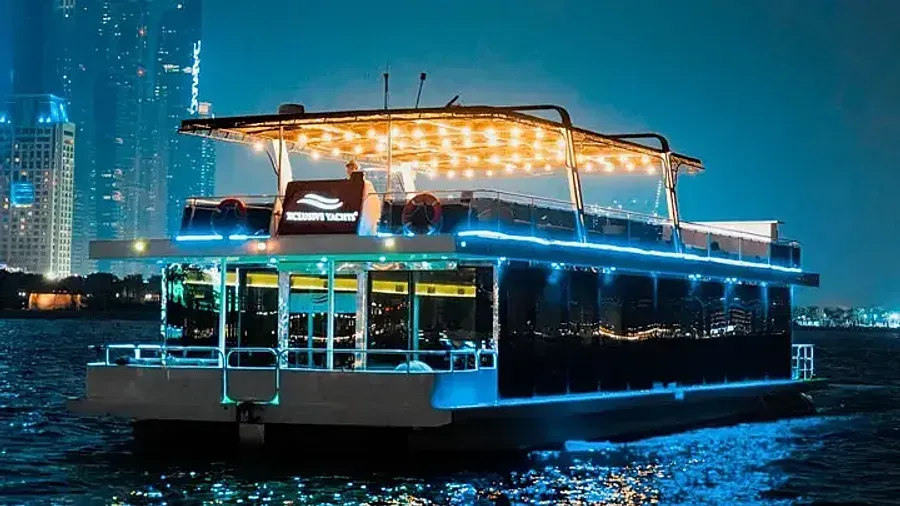
For large groups, it can help to book the cruise as the centerpiece of the outing. Arrive early, enjoy the cruise, and then head to a nearby spot for food or drinks. For small groups, the cruise itself may be the highlight, and a shorter trip lets you fit it into a busy schedule without losing the whole day.
Sunset Yacht Dubai - Jet Ski Ride, Jet Car & Flyboard Rental, located at 34PW+XH Dubai Jumeirah Living, Marina Gate - Marsa Dubai - Dubai - United Arab Emirates, can be reached at +971 52 447 2719 for details on their shared cruise options and booking process.